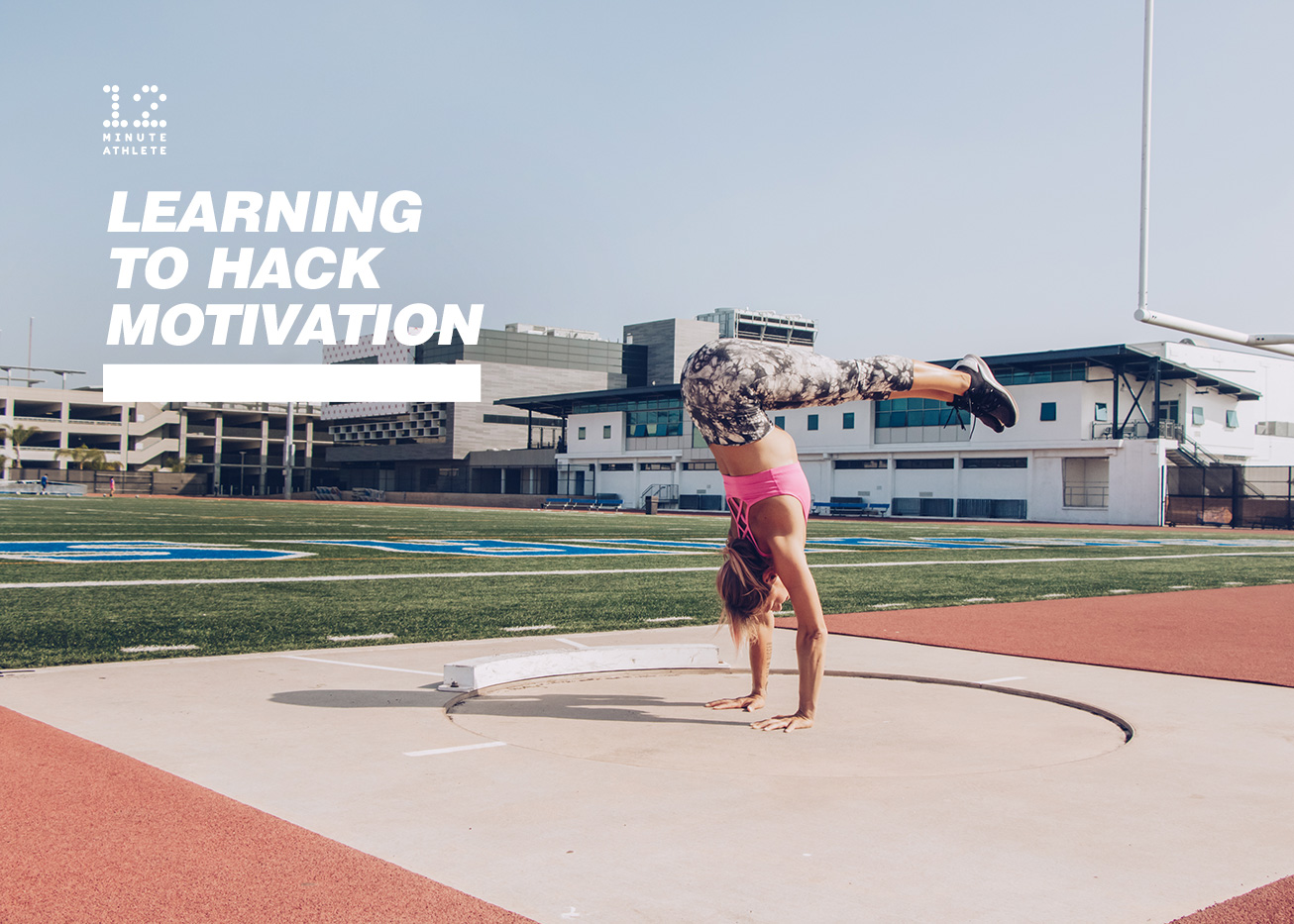
Learn to Hack Motivation by Reframing Your Idea of What Exercise Is

“Whereas people usually say they are playing a sport, they use the term workout to describe vigorous exercise, reflecting that for many this may not be the most enjoyable part of their day.” – Richard M. Ryan and Edward L. Deci, Self-Determination Theory

There is little question among scientists and psychologists that we are made to move as humans. As kids, we naturally run, jump, bound, and play.

For kids, playgrounds equate to endless hours of enjoyment. Metal bars are viewed not as something to cringe at and avoid, but as something to delight in.

Moving is FUN.

Yet for many of us, this notion of movement as something to look forward to doesn’t last long.

Somewhere along the way, movement slowly transforms from something we naturally crave without thinking in childhood, to something we’re taught to dread (yet feel like we have to do) as we reach adulthood.

No wonder most people struggle with motivation to get and stay fit.

Fortunately, this mindset can be changed.

By learning to reframe your idea of what exercise is, you can hack motivation, break through plateaus, and make exercise fun again.
Read more

Why Exercise is Even More Important Than Ever Right Now

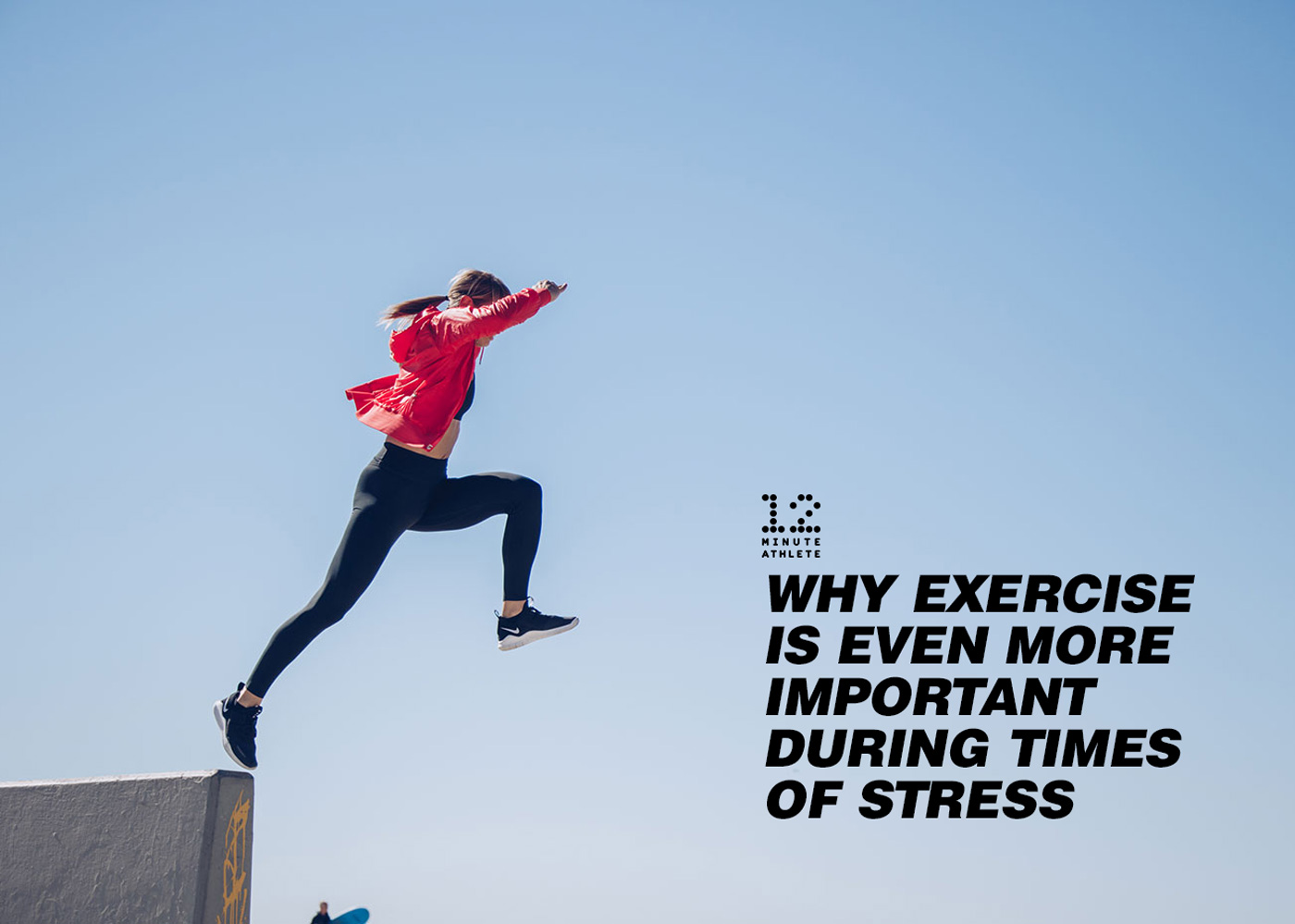
Why Exercise is Even More Important Than Ever Right Now

Why Exercise is Even More Important Than Ever Right Now

It’s a weird time right now.

Most of us around the world are stuck in our houses or tiny apartments due to COVID-19, with no idea when—or if—life will ever go back to normal.

The days are blending together, and we haven’t gone out to a restaurant or seen a friend outside of a Zoom happy hour in weeks (or for some of us, months).

As a result of being stuck at home, we’re also sitting more. Without the natural hustle and bustle of our normal lives, most of us are moving much less than usual.

With so many of us struggling mentally and emotionally right now, exercise is more important than ever: not because of the need to look a certain way, but for our mental health.

Read more

How to develop a growth mindset around fitness and exercise

How to Develop a Growth Mindset Around Fitness and Exercise

Think about the last time you tried a new exercise, sport, or fitness-related skill. Did you struggle at it?

Did that struggle give you a boost of motivation (“I am not going to let this thing beat me. I’ll try harder and work at it until I get it”)?

Or did encountering the struggle immediately make you feel hopeless and want to give up (“I’ll never be good at this so I might as well not even try”)?

If you responded the first way, you most likely have a growth mindset around fitness and health.

If you encountered the latter, you probably fall in with the majority of people who have more of a fixed mindset around fitness.

It’s also possible to be in between, sometimes having more of a growth mindset and other times falling more into a fixed mindset (“I’m good at basketball; bad at pull ups”).

The good news is that you can actually change this limiting mindset. And when you do, you’ll open up a whole new world of opportunities and make more progress on your fitness journey than you ever before thought possible.

Developing a growth mindset around fitness and exercise is something that I’ve had to learn throughout my own fitness journey, and I’ll talk more about that later in this post. But first, let’s look at what it actually means to have a growth or a fixed mindset around fitness and exercise.

Read more

12 Minute Athlete book

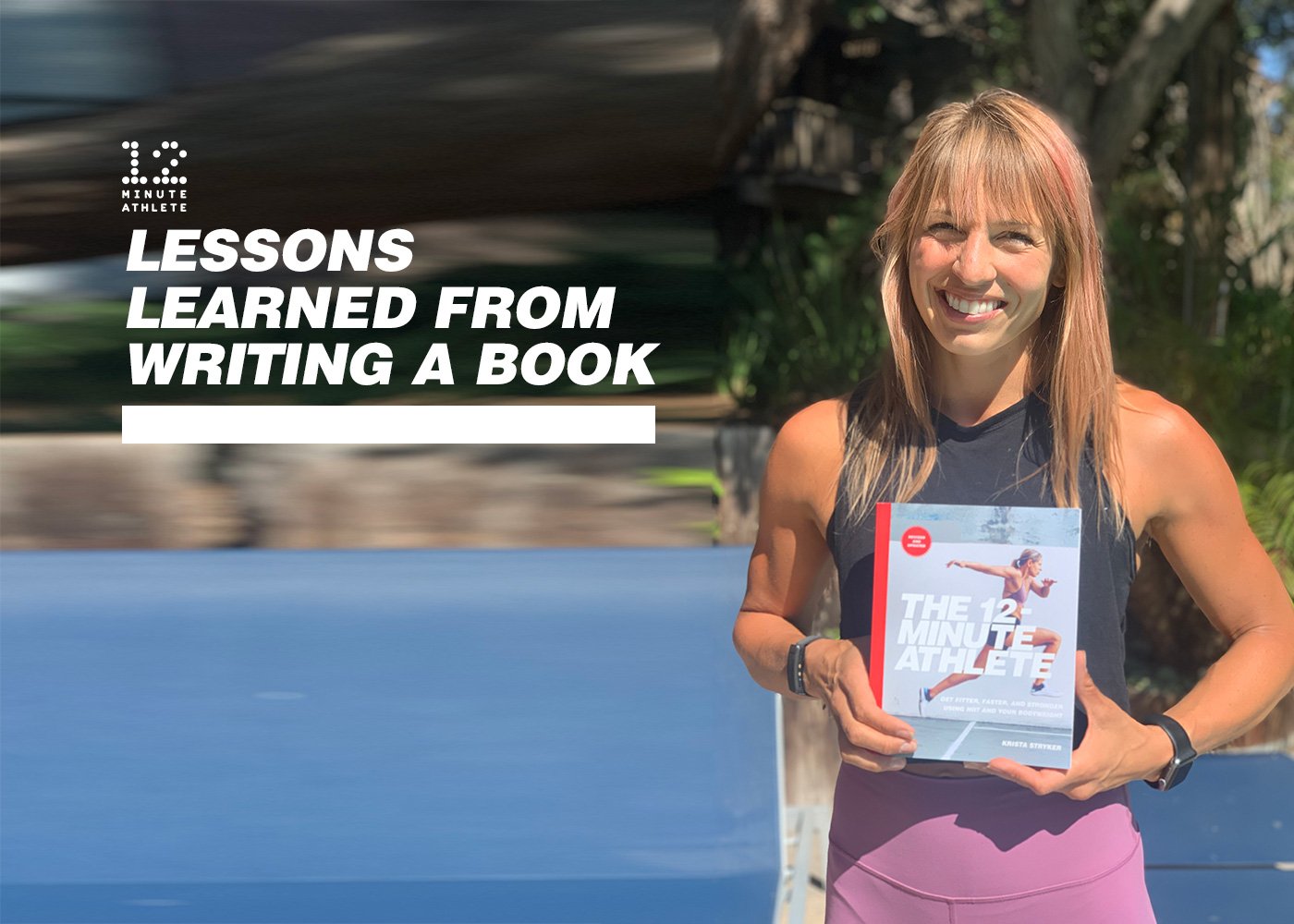
I Wrote a Book: Here’s How

12 Minute Athlete book

Note from Krista: This post actually has very little do with fitness but does have quite a bit to do with many of the mindset techniques we’ve discussed recently on the blog. If you’re not interested, no hard feelings at all.

In case you haven’t heard, my first published book is coming out soon (March 31st, to be exact!).

If you haven’t already, you can pre-order it here.

(If you’ve already pre-ordered it, THANK YOU.)

I thought it might be cool to write a post on how I actually went about writing and publishing a book for those of you who are interested (and if you’re not, here are a bunch of fitness-related posts).

Why should you care?

Well, aside from those of you who might actually want to write a book of your own one day, the very same principles and mindset techniques that I talk about over and over when it comes to leveling up your fitness are also the same techniques I used to write this book.

This is one reason I love fitness so much and try and my best to convince everyone else to love it too: so much of the mental toughness you’ll build when working to become a better athlete can also be applied to the rest of your life.

Growth mindset? Check. Goal setting techniques? Check. Grit and perseverance? Check.

Working to build strength, stamina, and new skillsets through fitness teaches you how to get comfortable with being uncomfortable, an invaluable skill to have in any area of your life.

So, with that in mind, here’s how I applied many of those same techniques to writing and publishing a book:

Read more

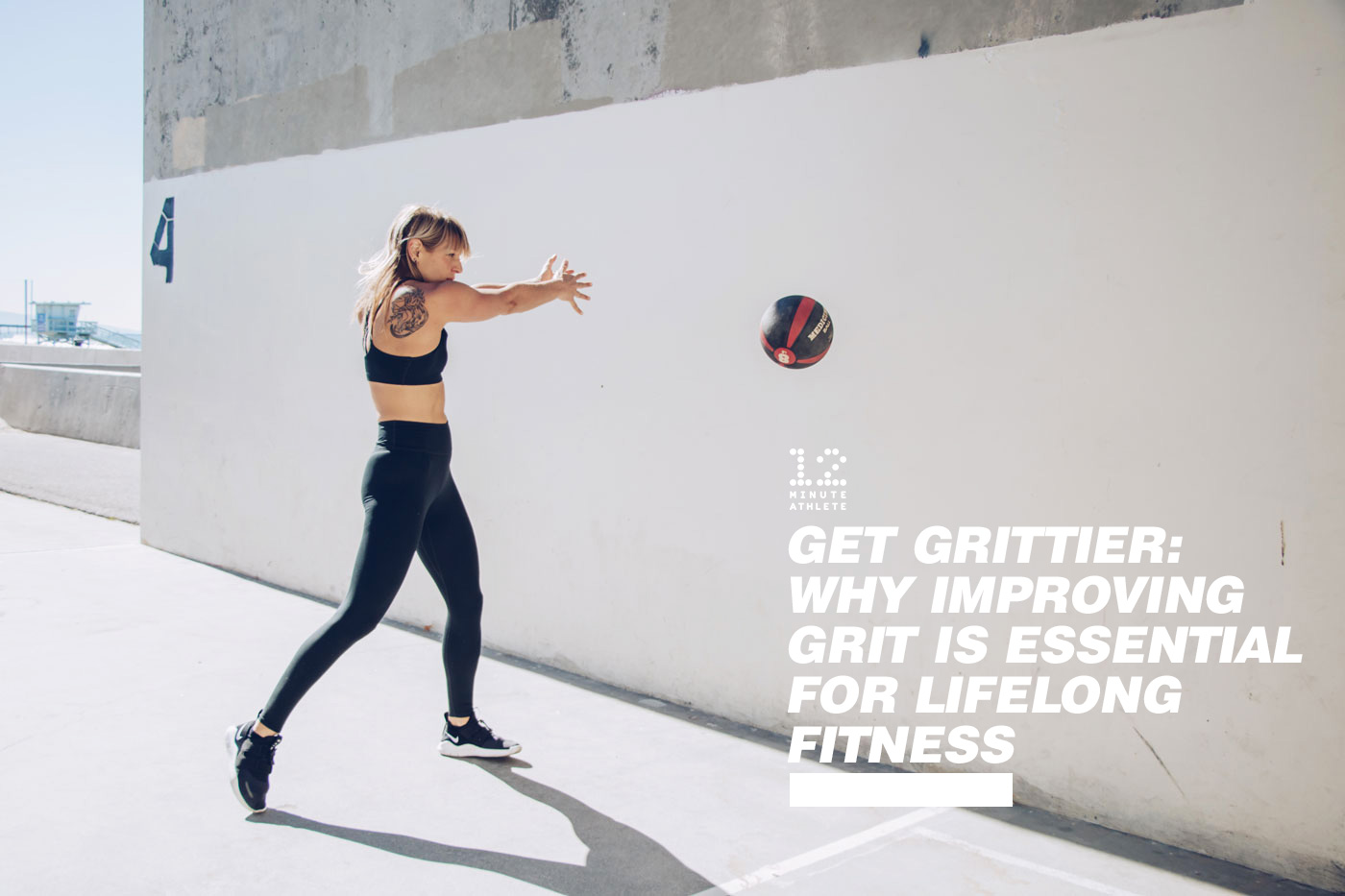
Get Grittier: Why Improving Grit is Essential for Lifelong Fitness

We’ve all done it: made a big, far-reaching goal that’s exciting, challenging, and even a little scary.

You start out strong with big aspirations. You may even tell a few friends or family members.

And while the initial push goes well, before long, you start to struggle.

Life starts to get in the way. One missed workout turns into two. The deadline to sign up for that race you were so excited about comes and goes.

Before long, you’re making excuses about why your goal wasn’t realistic in the first place.

You see other people stick with programs, skills, and difficult challenges and eventually accomplish amazing things…

…but you just can’t seem to stick with anything.

Whenever this happens, it’s easy to get disappointed and feel like you can’t accomplish anything. But that’s not the case.

You’re not hopeless. You just need to build some grit.

Read more

Goal setting

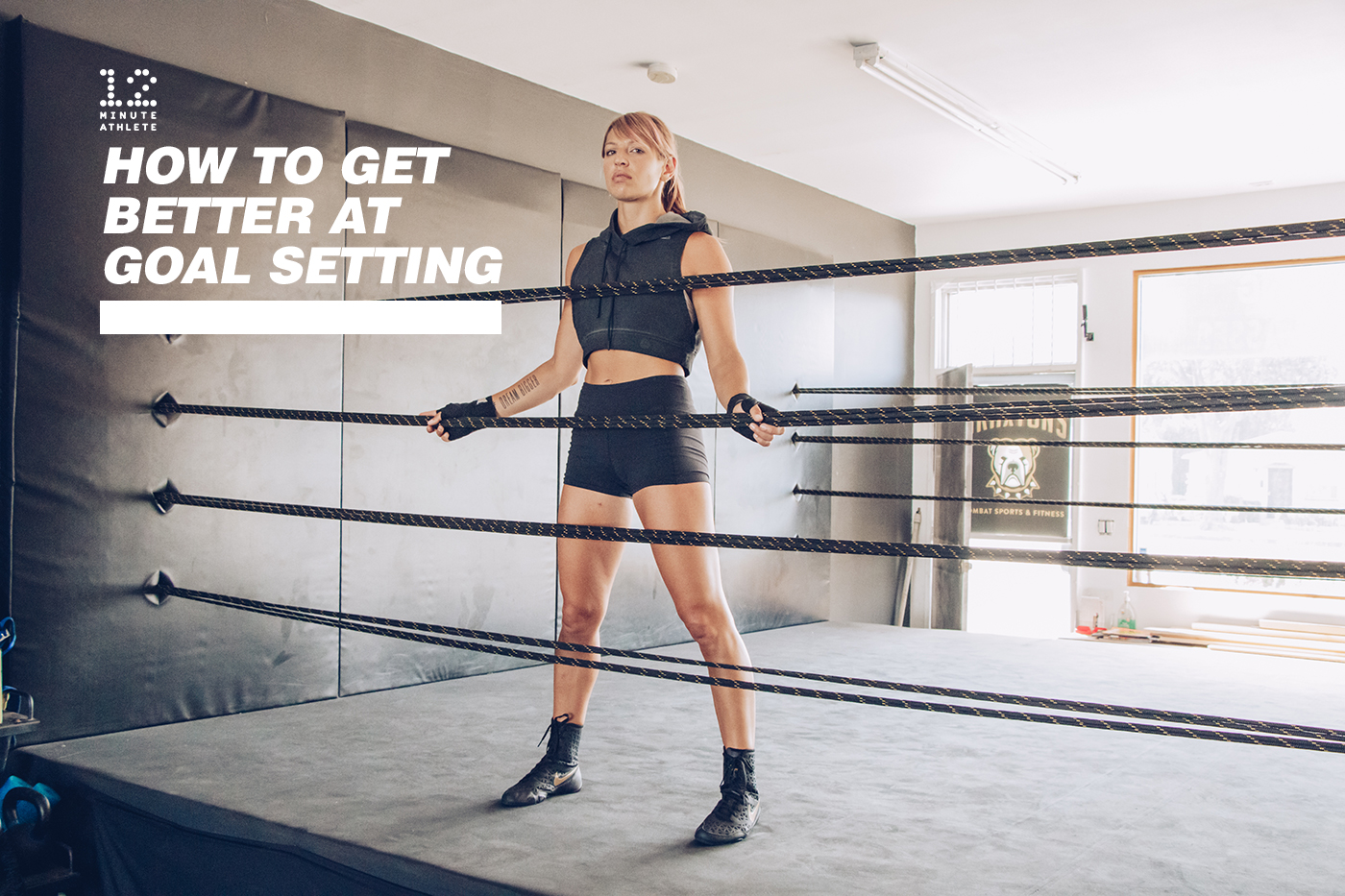
How to Get Better at Goal Setting

The health and fitness community loves to talk about setting goals—especially around New Year’s, when so many people make goals for the rest of the year.

But the percentage of people who set goals January 1st then actually go on to achieve those goals is minuscule.

In fact, while the average person sets a number of New Year’s resolutions at the beginning of the year, nearly 80% of people have given up by the end of a 30-day period. And only 8% of people actually follow through on their resolutions and end up achieving their goals.

So what’s going on here? Why can’t people stick to their goals?

It’s not because everyone who sets New Year’s resolutions is automatically unmotivated and not driven to succeed.

It’s because most people don’t actually know how to set goals that stick.

Goal setting is an incredibly powerful way to boost productivity and performance, which is why we talk about it so much here at 12 Minute Athlete. Thankfully, even if goal setting isn’t something you currently consider yourself to be very good at, you can get better at it.

First, you’ll need to understand how to set better goals. From there, you can learn the simple tricks that will help you to stick with them over time, even when it gets tough.

Better goal setting means more goals achieved, period.

Let’s look at how to start improving at goal setting so that you can crush your goals all year round.

Read more

Why I’m Not a Fan of (Most) Group Classes

Does this sound familiar at all?

You sign up for the new “it” class, either by yourself or with a couple of friends.

You’re a few weeks in, and making a TON of progress. You’re feeling more energized, getting leaner, and feeling stronger. The workouts are becoming so much easier than they were when you first started. You’re feeling motivated and it’s awesome.

Fast forward a few weeks, months, or even a year… and everything… stalls.

Your progress slows. The motivational talk that fired you up in the first few weeks now just seems repetitive. Your class instructor is more focused on their killer playlist than giving you individual attention.

Frankly, you’re just a little bored.

You start making excuses to skip class and stop going as often. Eventually you either fall off of your fitness habit altogether, or take up the next “it” class, and start the same cycle all over again.

Read more

Keep a beginner's mindset

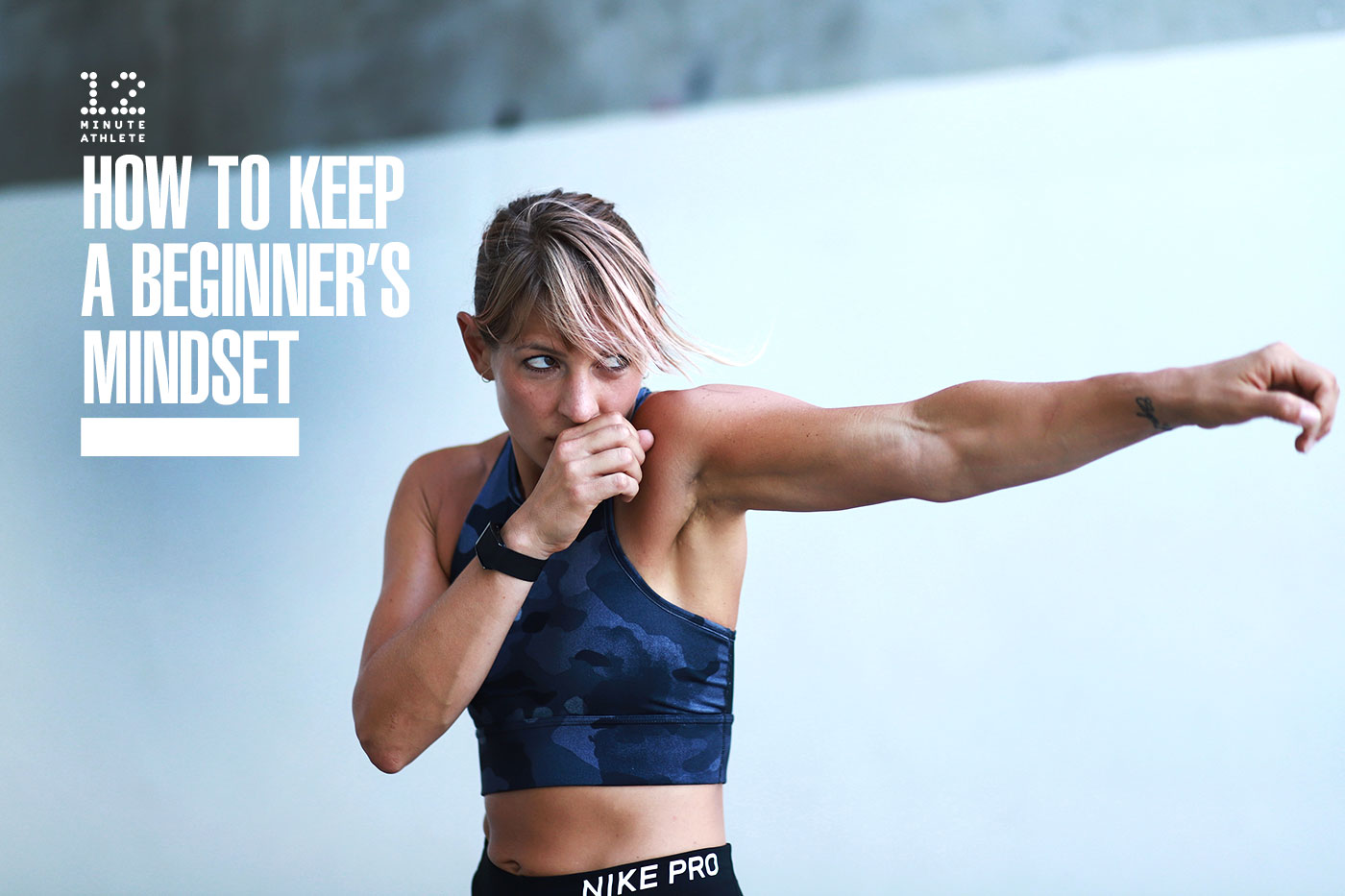
How to Keep a Beginner’s Mindset

When I first started training handstands nearly six years ago now, I had absolutely zero previous experience with the skill.

I didn’t do gymnastics growing up, and had no reason to believe I would ever be even remotely decent at a difficult skill like hand balancing.

Similarly, when I first started boxing a year and a half ago, I had zero experience other than hitting a punching bag as hard as I could (now I realize, with poor form) and punching a few holes in the wall growing up (sorry, Mom and Dad!).

Both experiences started out as extremely humbling and frustrating. I can’t tell you just how many times that I wanted to quit, to tell myself and others that I wasn’t a “natural” at either skill and move on to something else.

After all, no one but me would really care if I quit.

So why didn’t I?

Because I know that maintaining a beginner’s mindset in at least one area of my life is the best way to continue growing and progressing as an athlete and person in all areas of my life.

Read more

workout highs and lows: why they're normal + how to deal with them

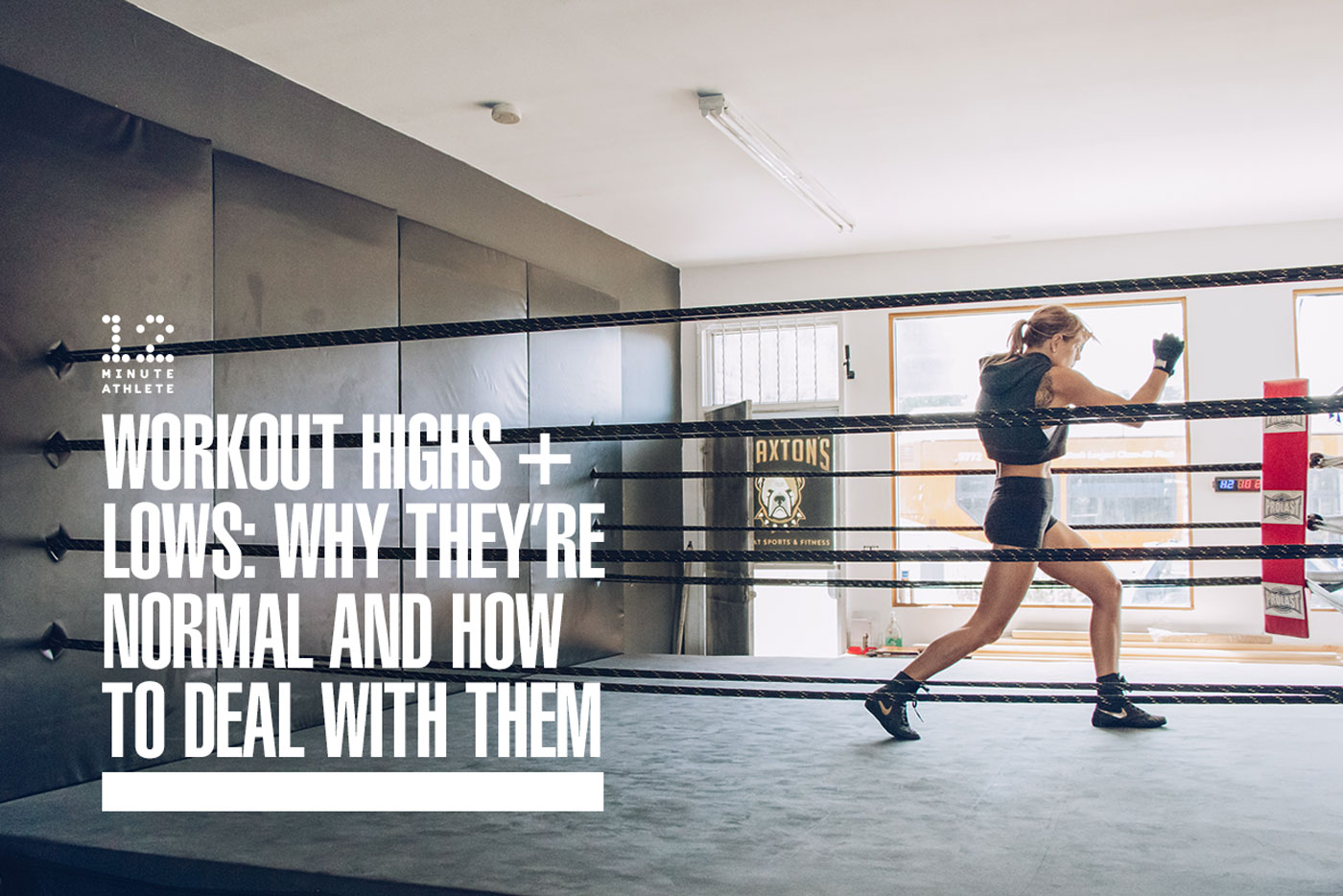
Workout Highs and Lows: Why They’re Normal and How to Deal With Them

workout highs and lows: why they're normal + how to deal with them

Throughout your fitness journey you’re bound to experience highs and lows. Even the most experienced athletes can attest to this.

“Highs and lows” can look different for everyone, but here are some common situations I hear about from students and clients:

…You experienced rapid progress at the start of your journey, but your gains are slowing down or have come to a standstill. (plateaus)

…You challenged yourself to start a new skills program or fitness plan, and you’re really struggling. (need to scale back)

…You were motivated and on a roll, but now you’re lacking inspiration and skipping workouts. (boredom/lack of interest, or life change)

…You’ve recently been injured and don’t know how to keep up with your goals while working below full capacity.

Do any of these sound familiar?

As you continue to challenge your body and push your limits, you’ll likely run into roadblocks at times. Whether your progress has slowed, your motivation is lacking, or you’re just not seeing the results you expected, rest assured that every athlete experiences challenges like this.

Here are some recommendations for getting past the “lows” and getting back to the “highs” of exercise – progress, health, and happiness!

Read more

Why Working Out Isn’t Just For Looks

Like so many people, when I first started my fitness journey, I worked out solely because I wanted to lose weight, get leaner, and feel better in my body.

And while there’s certainly nothing wrong with wanting to feel confident about how you look, in my experience working out for looks alone has several different issues with it:

  • Every time I would miss a workout, “cheat” on my diet, or eat dessert, I felt like a failure.
  • It wasn’t very easy to track my progress, since stepping on the scale alone isn’t a reliable measure of weight loss progress.
  • Working out to “look good” didn’t motivate me in the long-term, so I constantly struggled with consistency.

It wasn’t until I found other intrinsic reasons to work out that had nothing to do with my appearance that I was finally able to develop a lifelong fitness habit and become the become the athlete I had never before believed I could be.

Here are some really good reasons to work out (that have nothing to do with your appearance):

Read more